
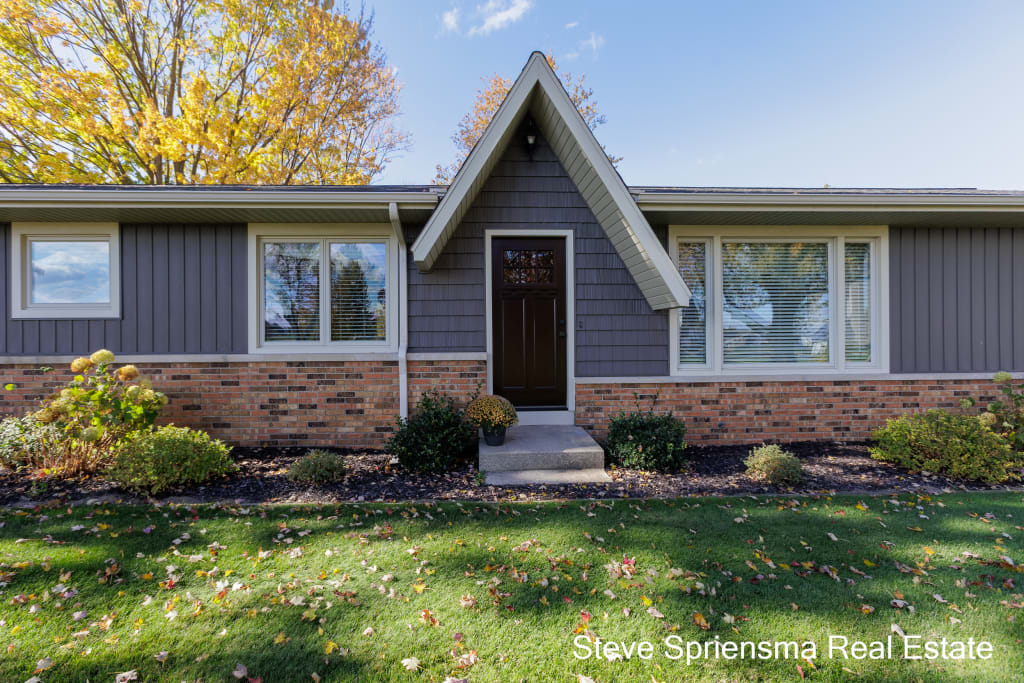
Grandville Home Values Explained: What Actually Moves the Price Up or Down?
Pricing a home in Grandville can feel like trying to hit a moving target—especially when you see two similar houses sell weeks apart for noticeably different numbers. The truth is, value isn't just about square footage or a "nice kitchen." It's a stack of signals buyers interpret all at once: condition, layout, location, timing, and even the way the home is presented online. If you're planning to sell (or hoping to buy smart), it helps to know which levers really matter—and which ones are mostly noise.
In West Michigan, the strongest outcomes usually come from pairing local market context with clear-eyed preparation. That's where a resource-focused advisor can make a difference: translating what buyers are paying for right now, not what they paid for last year or what a neighbor says their cousin got. Below are the factors that most consistently push Grandville prices up—or quietly pull them down.
Location signals: micro-neighborhoods, traffic patterns, and daily convenience
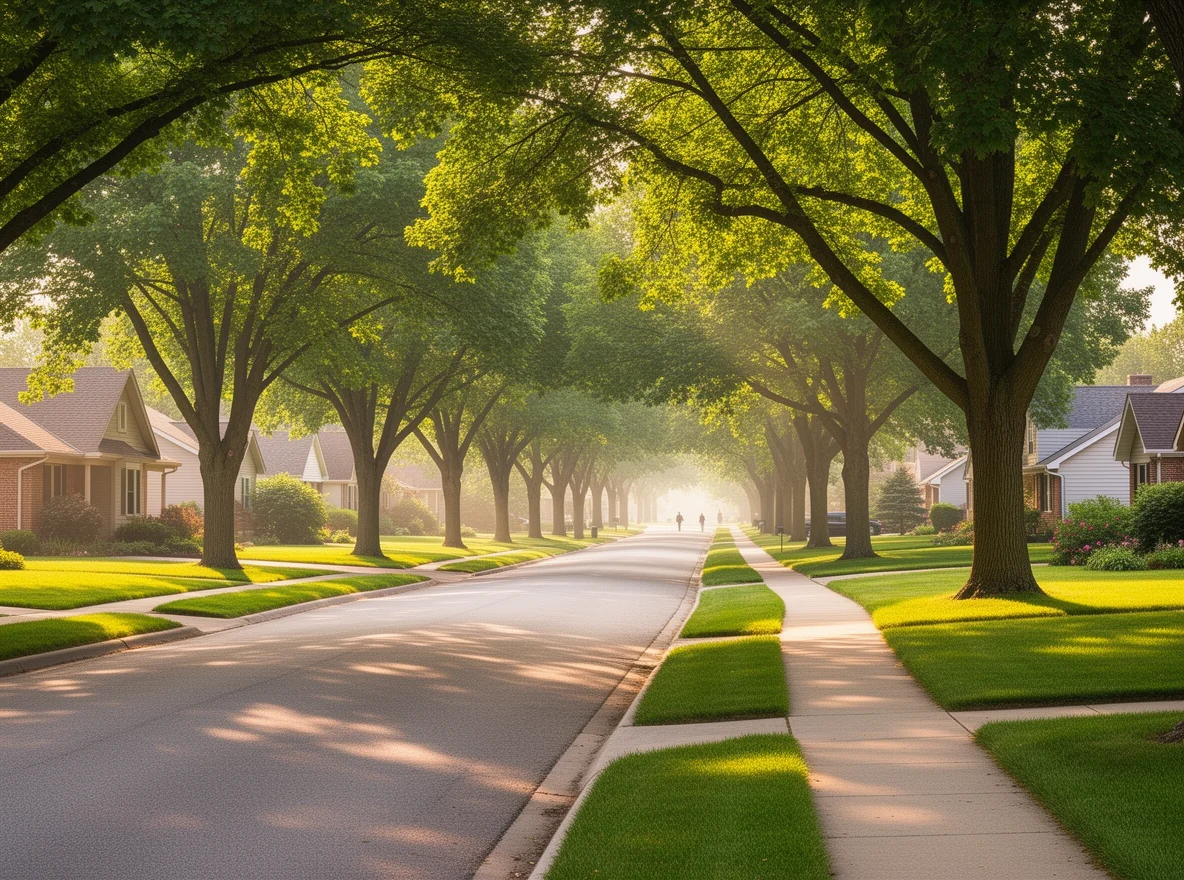
Not all "Grandville" addresses perform the same. Buyers pay premiums for pockets that reduce friction in everyday life—easy commutes toward Grand Rapids, straightforward access to parks and trails, and a layout of streets that feels calm rather than cut-through busy. Even a few blocks can change the experience: noise levels, the look of neighboring homes, and how quickly you can reach groceries, school drop-offs, or weekend recreation.
Practical details matter more than many sellers expect. Backing to a high-traffic road, having limited street parking, or sitting at an awkward intersection can narrow the buyer pool. On the upside, a home that feels tucked-in, has a walkable sidewalk network, and offers a sense of neighborhood cohesion often earns stronger offers—even if the house itself is modest.
School considerations can also play a role in how confidently buyers stretch. Many families compare commute time, extracurricular options, and perceived stability just as much as test scores. When those boxes feel "easy," buyers tend to move faster and negotiate less aggressively.
Condition and "apparent maintenance": what buyers notice in the first 90 seconds
Grandville buyers respond to certainty. When the roof looks tired, paint is peeling, or mechanical systems appear dated, they don't just estimate the cost—they also price in hassle and risk. That risk discount can be larger than the actual repair bill, especially for first-time buyers watching their cash reserves.
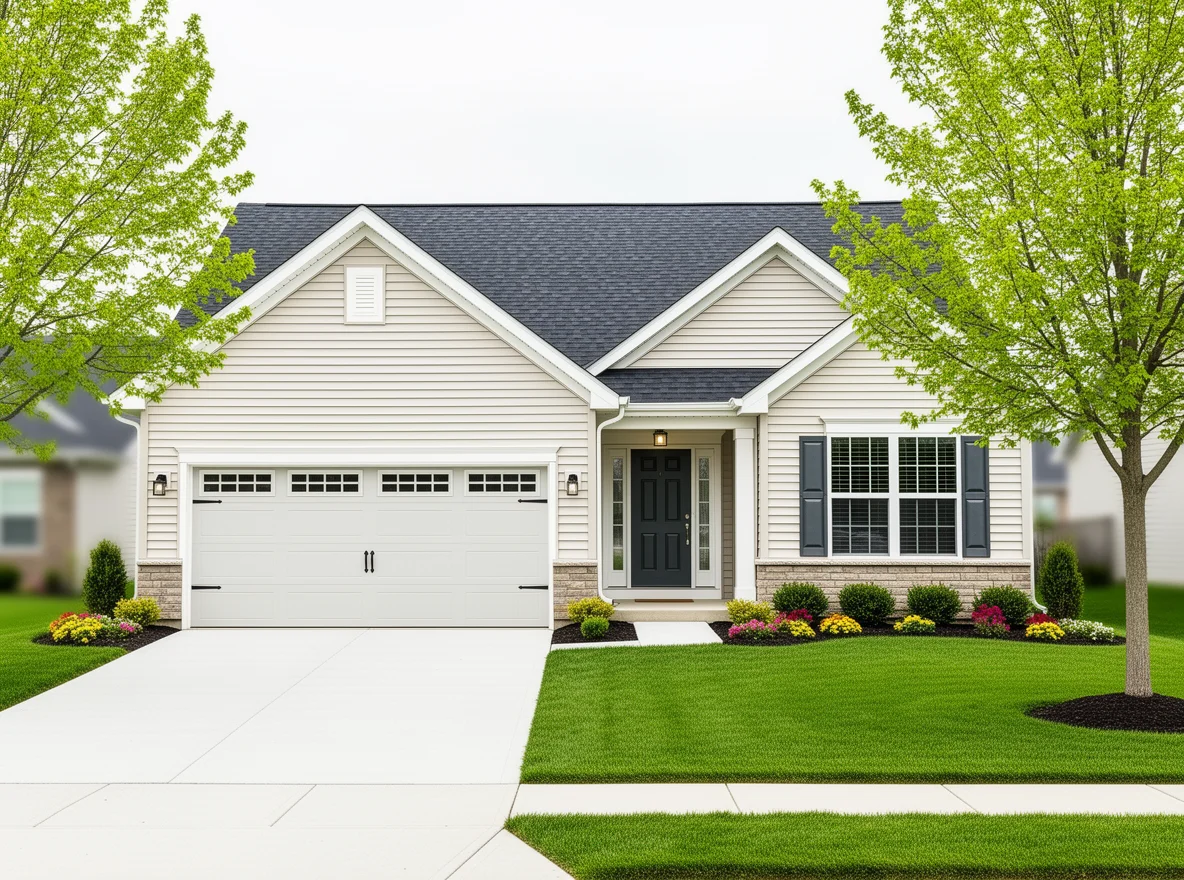
What moves value upward is often less about luxury and more about clarity: clean gutters, crisp trim lines, a tidy garage, updated lighting, and a home that smells neutral and feels cared for. Curb appeal is the opener, but the "maintenance story" continues in basements, utility rooms, and around windows and doors. In West Michigan, moisture management is especially important—buyers pay attention to grading, downspouts, sump systems, and any signs of past water intrusion.
If you're choosing where to spend, prioritize improvements that reduce uncertainty. Fresh paint in modern neutrals, repaired flooring transitions, updated fixtures, and a professionally cleaned home tend to produce an immediate emotional lift. Meanwhile, highly personalized upgrades (bold feature walls, niche built-ins, unusual tile) can accidentally narrow appeal unless executed at a very high level.
Practical rule of thumb: the more "turnkey" a home feels, the more likely it attracts multiple interested buyers, and competition is what pushes price. A home that feels like a project can still sell well, but it typically needs sharper pricing or stronger terms to compensate.
Layout, livability, and the spaces buyers actually use
Square footage is only valuable when it functions. Buyers reward layouts that match how people live now: open-but-defined gathering areas, a kitchen that connects to daily life, practical storage, and bedrooms positioned in a way that makes sense. A choppy floor plan, cramped entry, or awkwardly placed half-bath can drag value even if the house is technically larger.
In Grandville, finished lower levels can be a real differentiator when done well—especially if they add a flexible recreation space, a home office nook, or a guest setup. But a poorly finished basement (low ceilings, dated paneling, questionable moisture history) may not add the same value buyers assume it should.
Garages and mudroom-style transitions matter too. In a four-season climate, buyers love an easy place for boots, coats, and backpacks. A functional drop zone and good storage can beat a flashy design feature when it comes to day-to-day satisfaction—and satisfaction translates to stronger offers.
Timing, interest rates, and the "competition factor"
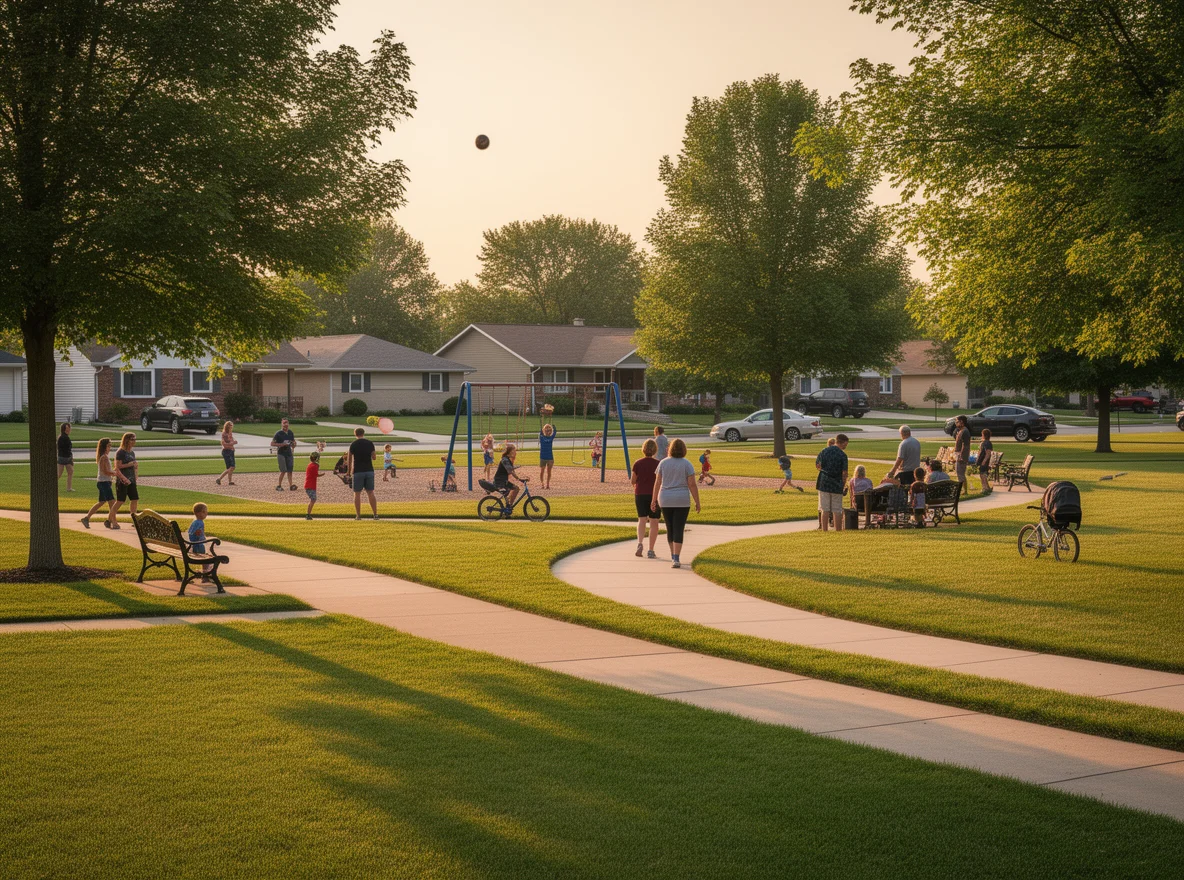
Even a perfectly prepared home can land differently depending on the week it hits the market. Interest rate shifts change monthly payments, which changes what buyers can qualify for, which changes demand. Seasonality matters as well: spring and early summer often bring more buyer traffic, while late fall and winter can reward sellers who price strategically because there's less inventory competing for attention.
One of the most overlooked drivers of price is the number of comparable homes available right now. If three similar houses are listed nearby, buyers feel options and negotiate harder. If yours is the only well-presented home in its bracket, urgency rises. This is why pricing isn't just about the last sale—it's about what buyers can choose from today.
Strong terms can also lift the net result. Clean contingencies, flexible possession, and a transparent disclosure package can reduce buyer anxiety. When uncertainty drops, offers tend to come in stronger and cleaner.
Presentation: photos, first-week momentum, and marketing that reaches the right buyers
In a market where most buyers start online, your first impression is digital. Lighting, angles, and staging choices can make rooms look either confident or cramped, and that perception affects showing volume—especially in the critical first week. More qualified showings create the possibility of multiple offers, and multiple offers are the clearest path to a higher sale price.
This is where a marketing background becomes tangible: the goal isn't to "hype" a home, it's to clarify value. Thoughtful positioning highlights the best features honestly—natural light, functional living areas, storage, outdoor space—while ensuring the listing reaches the buyers most likely to pay for those benefits. As a client-partner style advisor, Steve Spriensma at Five Star Real Estate focuses on being a resource in that process, helping you decide which improvements will pay back, which ones won't, and how to time the market with the least stress.
So what should you do if you're selling (or buying) in Grandville?
If you're selling, start with a reality-based evaluation: compare your home to recent sales, current listings, and the "almost the same" options a buyer will tour next. Then prioritize confidence-boosting fixes (maintenance, paint, lighting, cleanliness) before chasing expensive trends. If you're buying, look past cosmetic finishes and ask what truly costs money: roof age, HVAC condition, drainage history, windows, and structural integrity—those factors often matter more to long-term value than a pretty backsplash.
Grandville home values move when buyers feel a home is easy to live in, easy to maintain, and correctly positioned against current alternatives. When you understand those drivers, you can make decisions that protect your budget and your timeline—whether your next step is listing soon or simply planning ahead for the right moment.